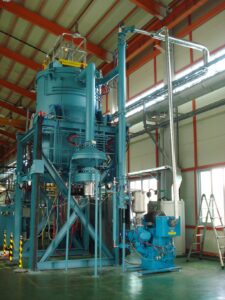
Vacuum Furnaces for Aerospace & Aviation Applications
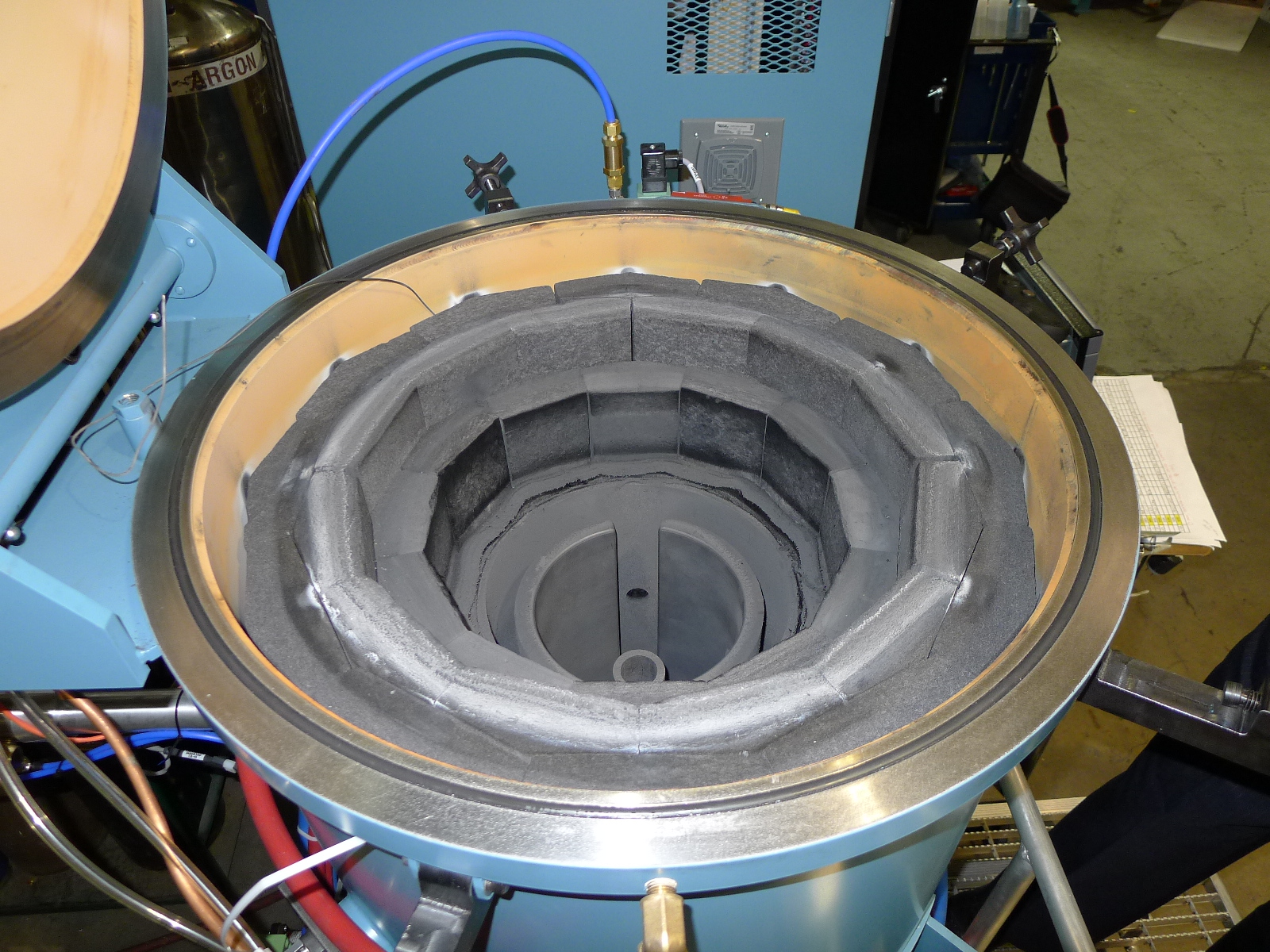
Vacuum Furnace Applications in Aerospace Manufacturing
Aerospace components operate at extreme temperatures and stresses, and the materials behind them must be processed accordingly.
Centorr Vacuum Industries designs and manufactures high-temperature vacuum and controlled-atmosphere furnaces for aerospace manufacturers, heat treaters, and research labs. We supply vacuum furnace systems for sintering, hot pressing, brazing, annealing, and heat treating, from laboratory R&D units to custom production furnaces.
Sintering of Metals and Ceramics
Sintering consolidates metal and ceramic powders into dense, high-strength components. Centorr sintering furnaces operate under vacuum or inert atmosphere to prevent the oxidation and contamination that can compromise reactive and refractory materials such as titanium, tungsten, molybdenum, and technical ceramics. Vacuum and controlled-atmosphere processing help minimize oxidation and contamination during high-temperature treatment.
Centorr offers Sintering Furnaces for Metals & Ceramics for specialized thermal processing requirements.
Hot Pressing of Advanced Materials
Hot pressing applies heat and uniaxial pressure at the same time to densify materials that won’t fully consolidate through sintering alone.
For aerospace applications involving advanced ceramics, composites, and specialized materials, controlled temperature, pressure, and atmosphere are important to achieving the required material properties. Centorr hot presses are used to produce ceramic matrix composites, ultra-high-temperature ceramics, and refractory metal carbide materials for propulsion, thermal protection, and other high-temperature aerospace applications.
Explore Centorr's Hot Press Furnaces.
Vacuum Brazing, Annealing, and Heat Treating
Vacuum brazing joins components under controlled conditions while limiting oxidation and contamination. Annealing and heat treating modify material properties, relieve internal stresses, and support dimensional and mechanical requirements.
These processes are relevant to aerospace components requiring reliable joints, controlled microstructures, and consistent thermal processing.
Learn more about Centorr's Brazing, Annealing & Heat Treating Furnaces.
Why Vacuum Processing Matters in Aerospace
Vacuum furnace processing offers several advantages for aerospace materials and components:
- Oxidation control: Reduced exposure to oxygen during high-temperature processing.
- Clean processing conditions: Lower risk of contamination from atmospheric gases.
- Temperature control: Precise heating profiles for demanding material requirements.
- Material versatility: Processing capabilities for specialized metals, alloys, ceramics, and other advanced materials.
- Process consistency: Controlled thermal environments that support repeatable manufacturing results.
The appropriate furnace configuration depends on the material, component geometry, processing temperature, production volume, and required atmosphere.
Custom Vacuum Furnace Solutions for Aerospace Applications
When a standard model doesn’t fit your material or process, Centorr engineers custom systems around your required hot zone, chamber size, atmosphere, and controls.
Need help selecting a furnace for an aerospace application?
Contact Centorr Vacuum Industries to discuss your materials, processing requirements, and furnace specifications or fill out form.

Contact Us
800.962.8631
603.595.7233