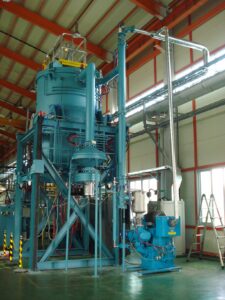
Vacuum Furnace vs. Controlled Atmosphere Furnace: Which Is Right for Your Process?
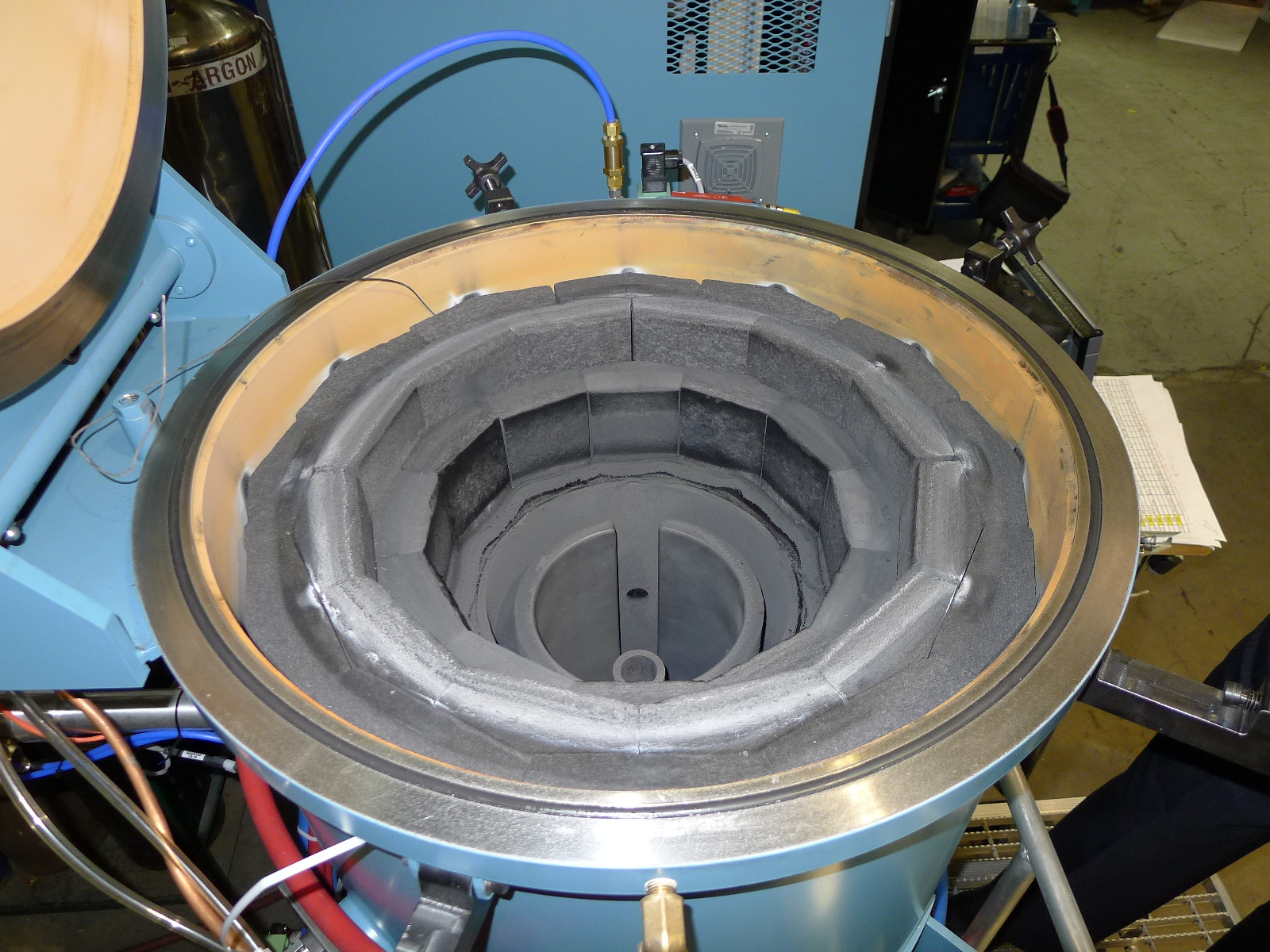
When selecting a thermal processing system, manufacturers often compare vacuum processing and controlled atmosphere processing. While these approaches are frequently viewed as separate technologies, many modern vacuum furnaces can operate under both vacuum and controlled gas atmospheres such as nitrogen, argon, and hydrogen.
Vacuum processing removes air and contaminants from the chamber to maximize oxidation protection, cleanliness, and process control. Controlled atmosphere processing uses protective gases to create specific processing conditions and is often preferred for continuous or high-volume manufacturing applications. The best choice depends on the material, process requirements, and desired results.
Vacuum Processing vs. Controlled Atmosphere Processing
A vacuum furnace is designed to achieve and maintain vacuum conditions but may also operate with controlled gas atmospheres when required. Controlled atmosphere furnaces are typically optimized for operation in specific gas environments. Understanding the advantages and limitations of each processing method can help manufacturers select the best solution for their application.
Vacuum vs. Controlled Atmosphere
| Feature | Vacuum | Controlled Atmosphere |
| Oxidation Prevention | Excellent | Very Good |
| Part Cleanliness | Excellent | Good to Very Good |
| Contamination Control | Excellent | Good |
| Operating Environment | Vacuum | Protective Gas |
| High Temperature Capability | Excellent | Good to Excellent |
| Continuous Processing | Limited | Excellent |
| Initial Investment | Higher | Lower to Moderate |
| Gas Consumption | Minimal | Continuous Gas Usage |
Choose a Vacuum Furnace If You Need:
- Maximum oxidation protection
- Superior cleanliness
- High-temperature processing
- Processing of reactive metals and specialty alloys
- Exceptional process control
Choose a Controlled Atmosphere Furnace If You Need:
- Continuous production processing
- High-volume throughput
- Specific gas chemistries
- Lower initial capital costs
- Efficient large-scale manufacturing
When selecting a thermal processing system, one of the most common questions engineers and manufacturers ask is whether a vacuum furnace or a controlled atmosphere furnace is the better choice. Both technologies are designed to protect materials during heating, but they accomplish this in different ways and are best suited for different applications.
Understanding the differences can help ensure optimal product quality, process efficiency, and operating costs.
What is a Vacuum Furnace?
Quick Answer: Vacuum furnaces use a vacuum environment to eliminate oxygen and contaminants, making them ideal for high-purity, high-temperature applications. Controlled atmosphere furnaces use protective gases such as nitrogen, argon, or hydrogen to reduce oxidation and are often preferred for continuous, high-volume production processes.
A vacuum furnace removes air and other gases from the heating chamber before and during the thermal process. By creating a vacuum environment, the furnace minimizes oxidation, contamination, and unwanted chemical reactions at elevated temperatures.
Industries that frequently utilize vacuum furnaces include aerospace, medical device manufacturing, advanced materials, semiconductor processing, and research laboratories. Vacuum furnaces are commonly used for:
- ✓ Vacuum brazing
- ✓ Sintering
- ✓ Annealing
- ✓ Heat treating
- ✓ Degassing
- ✓ Research and development
- ✓ Processing reactive metals and advanced materials
What are the Advantages of Vacuum Furnaces?
Vacuum furnaces offer numerous advantages, including minimal oxidation and discoloration, excellent temperature uniformity, cleaner and brighter finished parts, reduced contamination, and superior performance in high-temperature applications. They are also well-suited for processing reactive metals, specialty alloys, and other advanced materials that require a highly controlled environment.
What Are the Considerations When Choosing a Vacuum Furnace?
When selecting a vacuum furnace, manufacturers should evaluate several factors, including processing temperature requirements, chamber size, production volume, material compatibility, and overall operating costs. Vacuum furnaces typically require a higher initial equipment investment than some alternative thermal processing systems and rely on vacuum pumps and related support equipment that require routine maintenance.
Certain processes may also involve longer cycle times due to the need to evacuate the chamber and achieve the required vacuum level before heating can begin. However, for applications where cleanliness, oxidation control, temperature uniformity, and product quality are critical, many manufacturers find that the superior process control and performance of vacuum furnaces more than justify the capital investment.

Contact Us
800.962.8631
603.595.7233
Request Info
Which Furnace Is Right for Your Application?
There is no one-size-fits-all answer. The best choice depends on your materials, processing temperatures, production requirements, cleanliness standards, and budget. Vacuum processing is often preferred when oxidation control, cleanliness, and product quality are critical. Controlled atmosphere processing can provide an effective solution for continuous production and applications requiring specific gas environments.
Need Help Selecting a Furnace?
Centorr Vacuum Industries designs and manufactures both vacuum and controlled atmosphere furnace systems for laboratory, research, and production applications. Our engineers can help evaluate your process requirements and recommend the best solution for your application.
Frequently Asked Questions
Not necessarily. Vacuum furnaces provide superior oxidation control and cleanliness, while controlled atmosphere furnaces can offer advantages for continuous, high-volume production.
Yes. Both vacuum and controlled atmosphere furnaces are widely used for brazing and sintering applications, depending on material and process requirements.
Vacuum furnaces generally produce cleaner, brighter surfaces because oxygen and contaminants are removed from the chamber.
Vacuum furnaces generally provide the highest level of oxidation protection because oxygen and contaminants are removed from the chamber before processing begins.
Yes. Controlled atmosphere furnaces may utilize hydrogen or hydrogen-based gas blends, although additional safety requirements and monitoring systems are typically required.
Vacuum furnaces typically require a higher initial investment due to vacuum pumps and supporting equipment, but many manufacturers find the improved process control and product quality justify the cost.
Controlled atmosphere furnaces may have a lower initial purchase cost, while vacuum furnaces often provide higher process quality and reduced contamination risks. Total cost depends on the application and production requirements.
What Is a Controlled Atmosphere Furnace?
A controlled atmosphere furnace uses a protective gas environment rather than a vacuum. Common gases include:
- Nitrogen
- Argon
- Hydrogen
- Forming gas
- Specialty gas blends
These gases are introduced into the furnace chamber to reduce oxidation and maintain specific process conditions.
Controlled Atmosphere Furnace Are Used Across Many Thermal Processing Applications
Controlled atmosphere furnaces are widely used across a variety of thermal processing applications where a protective gas environment helps reduce oxidation and maintain product quality. These furnaces are particularly well-suited for high-volume manufacturing and continuous production environments, offering flexibility for a range of heat treatment and material processing operations. Industries such as automotive manufacturing, powder metallurgy, metal fabrication, and large-scale industrial production often rely on controlled atmosphere systems when they need:
- Continuous production processing
- Brazing
- Annealing
- Sintering
- Metal finishing
- Powder metallurgy
What Should You Consider When Choosing a Controlled Atmosphere Furnace?
Controlled atmosphere furnaces offer many advantages and manufacturers should consider several factors when evaluating them for a specific application. Operating costs may include ongoing consumption of process gases such as nitrogen, argon, or hydrogen. Depending on the atmosphere used and process requirements, there is also the potential for contamination from residual gases or impurities within the system. In applications requiring the highest level of oxidation prevention and surface cleanliness, controlled atmosphere furnaces may not provide the same level of protection as a vacuum furnace. Additionally, processes utilizing hydrogen or hydrogen-based atmospheres require enhanced safety measures, monitoring systems, and compliance with applicable safety regulations.
Choose a Vacuum Furnace If You Need:
- Maximum oxidation protection
- Superior cleanliness
- High-temperature processing
- Processing of reactive metals
Choose a Controlled Atmosphere Furnace If You Need:
- Continuous production
- High-volume throughput
- Specific gas chemistries
- Lower initial capital costs
Vacuum Furnace vs. Controlled Atmosphere Furnace Comparison
| Feature | Vacuum Furnace | Controlled Atmosphere Furnace |
| Oxidation Prevention | Excellent | Very Good |
| Part Cleanliness | Excellent | Good to Very Good |
| Contamination Control | Excellent | Good |
| Operating Environment | Vacuum | Protective Gas |
| High Temperature Capability | Excellent | Good to Excellent |
| Continuous Processing | Limited | Excellent |
| Initial Investment | Higher | Lower to Moderate |
| Gas Consumption | Minimal | Continuous Gas Usage |
| Reactive Materials | Excellent | Application Dependent |
| Finished Part Appearance | Bright, Clean Surface | May Require Additional Cleaning |
The Best Furnace Choice Depends on Your Application
There is no universal answer to whether a vacuum furnace or controlled atmosphere furnace is better. The ideal solution depends on:- Material type
- Processing temperature
- Production volume
- Surface finish requirements
- Quality specifications
- Budget considerations